Morning carry
Warm dishes that travel in a lidded box and still feel like food, with hydration reminders that read like common sense, not a lecture.
London · food narrative
Phakronxrrthrele is a reading room for how shopping, cooking, and meal timing can sit more gently beside work, school runs, and shared tables. Nothing here replaces a conversation with someone who knows your personal needs; it is general information for adults in the United Kingdom who want calmer language around what is on the fork.
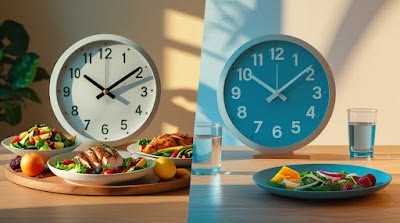
We write from a small desk in London, imagining readers who read on the train, in the evening, or in the ten minutes after the washing machine starts. The studio avoids shouty promises about energy or “transformation” because those words too often stand in for evidence. Instead we look at what most British cupboards already hold—oats, tinned fish, winter greens, decent olive oil, plain yoghurt—and describe ways to build plates that are colourful without being prescriptive in grams.
When we mention products, the angle is about packaging and disposal habits that fit city life: fewer single-use where your council has recycling lanes, and honest wording about time. If a paragraph feels too neat for your reality, you are invited to break it: our pages are modular so you can jump from Home to Energy to Natural in any order.
“Three threads run through the site: spacing meals in a way that matches ordinary hunger signals, including whole and minimally processed ingredients where you can, and keeping snacks so simple you could explain them in one line on a Post-it note. None of that is a rule book.”
We think about the “front half” of the week when shops are still full of what you bought at the weekend. The writing favours one-pan and batch-friendly ideas, without locking you to a set dinner hour.
Short notes on reusing roasts, folding leftover grains into lunchboxes, and reading labels for fibre rather than for exaggerated on-pack claims, in line with UK front-of-pack conventions where they apply.
Light, conversational phrasing for evenings when takeaways tempt—again without guilt language. We may suggest sharing plates or splitting a pudding; we do not tell you what you may eat.
Space for a slower shop, a walk past the same Oxford Street window you always notice, and time to file a question to Contact if something on the site felt unclear when you were tired.
Each card is a nudge, not a meal plan. Swipe on narrow screens; depth lives on the Energy and Natural pages.
Warm dishes that travel in a lidded box and still feel like food, with hydration reminders that read like common sense, not a lecture.
Conversations for households where everyone arrives at a different time—without moralising about screens at the table.
Lighter protein plus vegetable combinations when you want to cook but not for two hours, including freezer-friendly options.
Handful measures, plain language, and a reminder to drink water in UK measures you already know from the tap.
Ideas for when someone is visiting and you would rather enjoy the company than the recipe math—staying informational only.
The Energy area walks through a different visual rhythm: numbered “bricks” and a calmer room illustration. Natural uses a mosaic of tiles around the garden art. If you need the studio, Contact is always a straight line to the form.
We keep commercial noise low; your inbox is your own, and a reply follows human timing on United Kingdom business days when volume allows.
We do not name conditions, suggest treatments, or frame food as a substitute for a clinician. General lifestyle copy only.
We avoid staged body narratives or any wording that shames a body size, appetite, or culture of eating.
We do not hide ordinary advice behind a paywall in an manipulative way; paid items, if added later, will be clearly labelled in their own terms.
No. It is for information about food, cooking culture, and everyday planning. For anything that sounds like a symptom or a treatment plan, speak with a registered health professional in your country.
We generally avoid that level of number detail because it can be misread out of context. We prefer ingredient variety and simple plate balance described in words.
Write to the studio for permission, name the page URL, and we will help with an attribution line that fits your style guide in the United Kingdom or elsewhere.
Bring a line or a longer note—we read with care and answer without a ticket robot.
Open Contact